10%

Built on control.

Crafted through process.
Hero Image

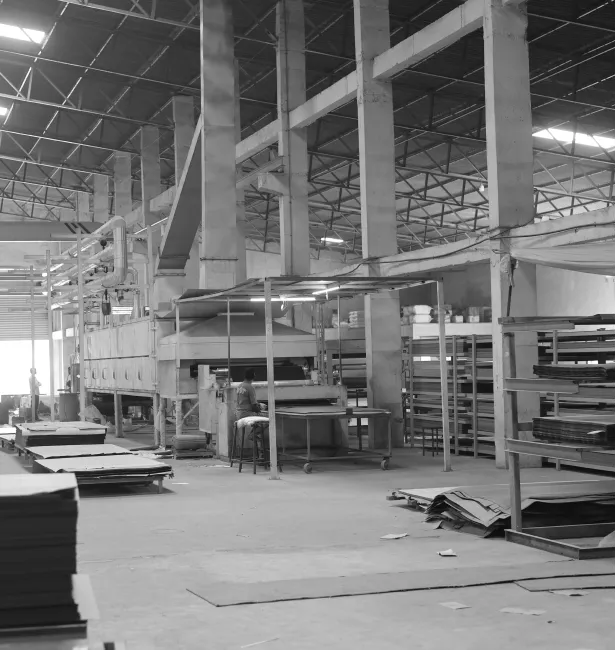
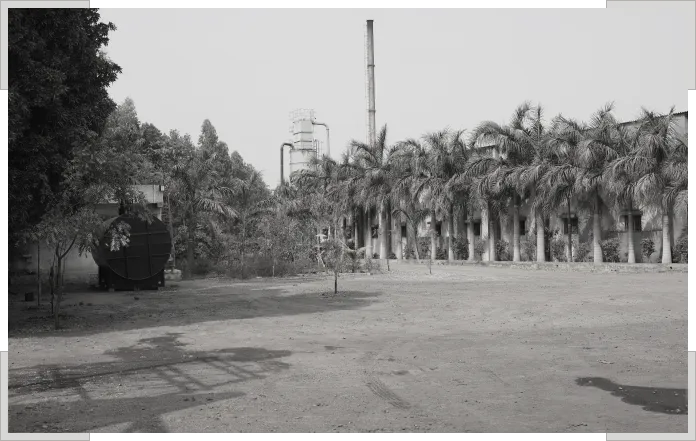
Our infrastructure is built on control and precision at every stage of production. From resin preparation and paper treatment to pressing, trimming, and inspection, each step follows a defined workflow to maintain thickness accuracy, bonding strength, and surface performance. Every laminate sheet is processed under monitored conditions to ensure consistent and reliable quality.
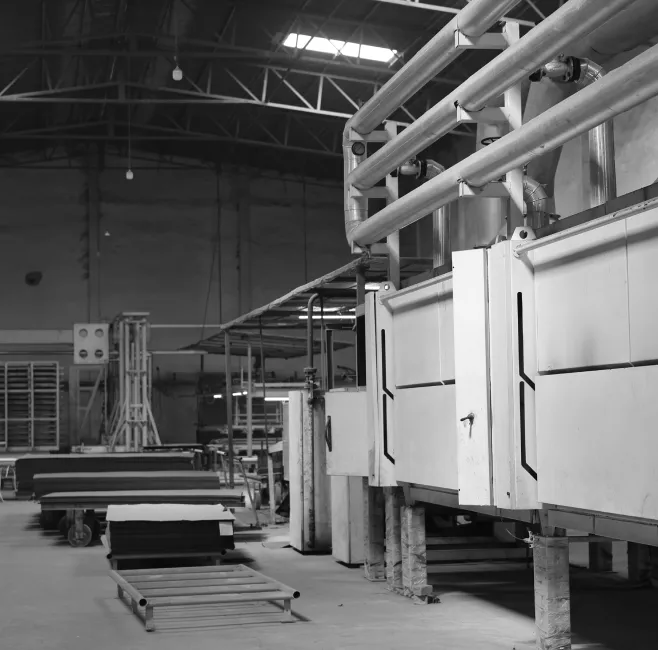
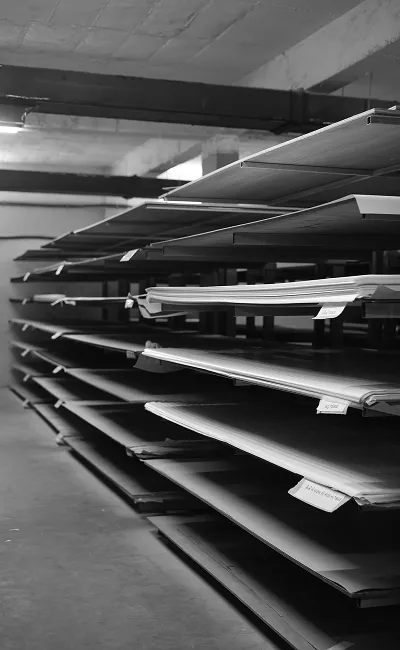
A closer look at
our manufacturing facility.

Process 1 Image

Raw Materials
Selection and Inspection

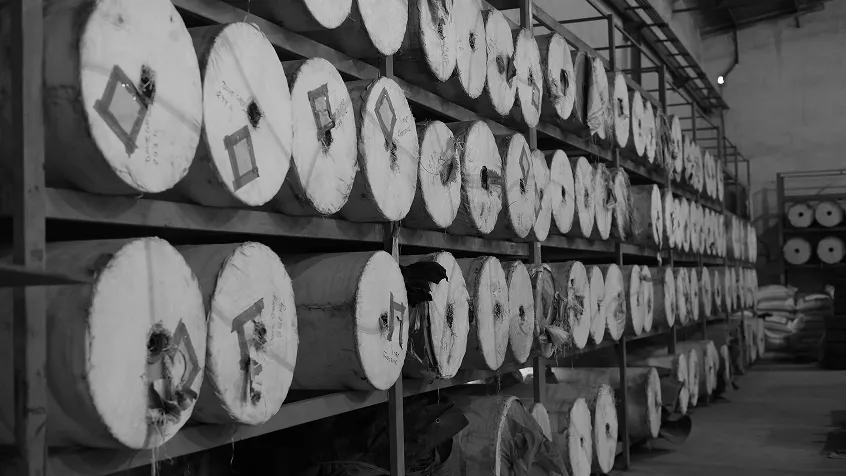
The process begins with the careful selection of kraft paper and decorative base paper sourced from certified suppliers. Kraft paper is chosen for its fiber density and structural strength, while decorative paper is evaluated for print clarity, consistency, and surface definition.

Each batch is inspected for grammage accuracy, moisture balance, and uniformity. Maintaining stable raw material quality at this stage is critical, as it directly influences laminate thickness control, dimensional stability, and long-term performance.

First Process Image

Resin Preparation
and R&D Evaluation

Two thermosetting resins form the foundation of laminate bonding: phenol formaldehyde for the core layers and melamine formaldehyde for the surface layer.

Thermosetting resins permanently harden when exposed to controlled heat and pressure. Once cured, they cannot be reshaped, which provides the laminate with rigidity, moisture resistance, and structural integrity.

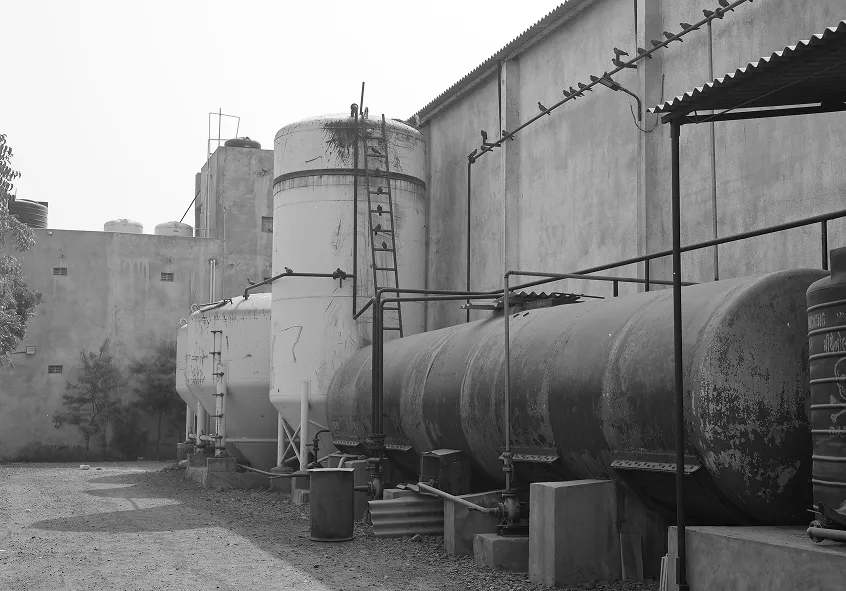
Resin preparation involves controlled formulation of chemical ratios, viscosity monitoring, and curing behavior testing. The internal R&D evaluation ensures proper impregnation depth, bonding strength, and curing consistency. This stage determines how well the laminate performs under stress, temperature variation, and daily wear.

Process 2 Image
First Process Image
Process 3 Image

Impregnation
and Controlled Drying

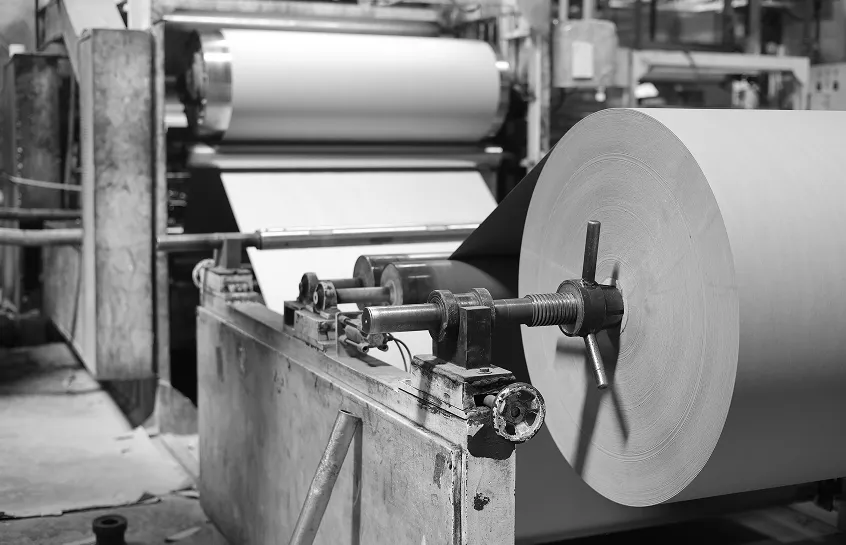
Kraft paper is passed through a phenolic resin bath where resin penetrates deeply into the fiber structure. This process builds the internal strength of the laminate sheet. Decorative paper undergoes melamine resin impregnation, forming a transparent protective layer that preserves surface design and enhances resistance to heat, stains, and abrasion.

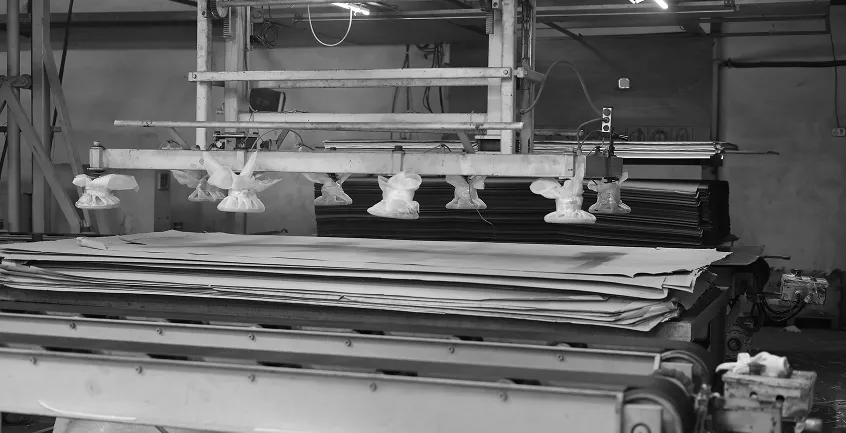
After impregnation, the treated sheets enter a controlled drying system. The purpose of drying is to remove excess moisture while partially curing the resin to a stable state. Proper drying ensures even resin distribution, prevents blistering during pressing, and prepares sheets for precise assembly.

First Process Image

Pile Assembly

Once dried and conditioned, the treated kraft and decorative sheets are stacked in a defined sequence. Multiple layers of phenolic kraft paper form the structural core, while the melamine-treated decorative sheet remains on the top surface.

Layer count is carefully determined based on the required thickness specification. Accurate alignment during pile assembly is essential to ensure uniform pressure distribution during pressing and to prevent internal stress imbalance in the final sheet.

Process 4 Image
First Process Image
Process 5 Image

High Pressure Pressing

The assembled stack enters a high-pressure hydraulic press, often operating at temperatures above 120–150°C and pressures exceeding 70–90 kg/cm² depending on the specification.

During this stage, the thermosetting resins undergo complete polymerization and cross-linking. The heat activates the resin molecules, and pressure consolidates the layers into a dense, rigid laminate sheet. This process permanently bonds the kraft core and decorative surface into a single structural panel.

The pressing stage defines the laminate’s final thickness, surface texture, mechanical strength, and dimensional stability.

First Process Image

Cooling and Trimming

After pressing, laminate sheets are gradually cooled under controlled conditions. Controlled cooling prevents internal stress development and ensures stable structural performance.

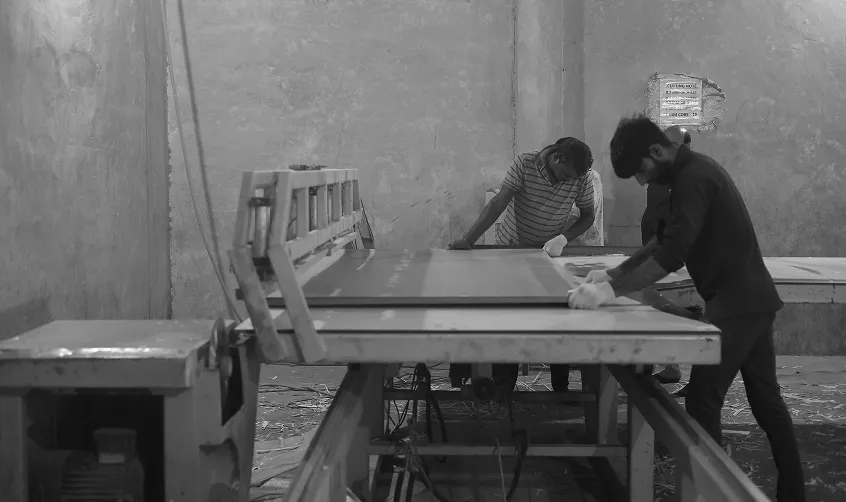
Once stabilized, sheets are transferred to precision cutting equipment where edges are trimmed, and panels are cut to standard dimensions. Edge quality and dimensional accuracy are verified to ensure suitability for fabrication and installation.

Process 6 Image
First Process Image
Process 7 Image

Quality Inspection and
Dispatch Preparation

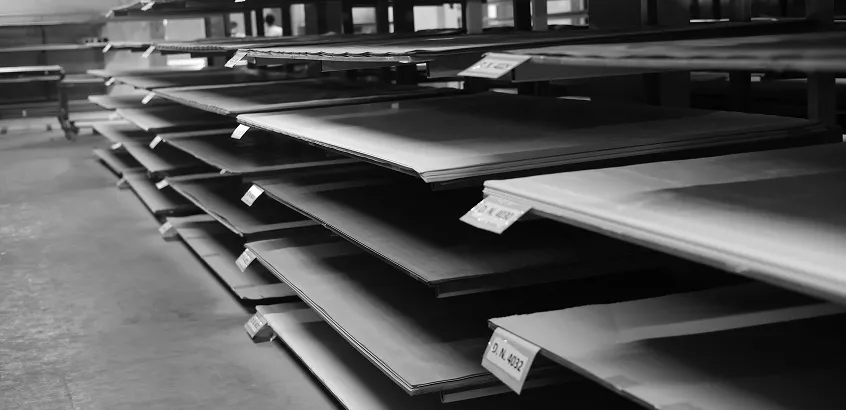
Before dispatching, every laminate sheet undergoes detailed inspection. Parameters such as thickness tolerance, bonding strength, surface clarity, color consistency, and finish quality are checked.

Sheets that meet performance standards are cleaned, stacked, and securely packaged to prevent damage during transportation. Only approved panels move forward to distribution, ensuring consistent quality in every batch delivered.